

Research Impact & Open Scholarship Librarian, Indiana University
Board Member-at-Large
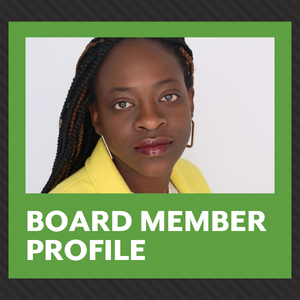

Please introduce yourself and share your journey in scholarly publishing. What path led you to your current position? What keeps you passionate about your role in scholarly publishing?
I began as a diversity resident in the Scholarly Communication department at Indiana University Bloomington Libraries, where I launched a research impact program. From there, I moved into a tenure-track role as the Open Scholarship & Research Impact Librarian, and I was granted tenure in June 2026. My passion for my work is deeply rooted in mentoring students. Over the years, I have mentored several students, and hearing that our work together helped a student see a future for themselves in librarianship remains incredibly rewarding.
What motivated you to join SSP’s Board of Directors, and what unique skills or perspective do you bring with your service?
SSP has been foundational to my development as an academic librarian. In 2019, I won an SSP Fellowship, which gave me the opportunity to attend the annual meeting in San Diego and meet professionals from across the entire landscape of scholarly communication, some of whom remain close friends. I then served on the Annual Meeting Committee for several years but was forced to take a hiatus because of a family illness. When the opportunity was presented to me to serve on the Board, I took it – I regarded the opportunity as one way to give back to the SSP Community as well as a path to learning valuable executive skills. Moreover, I believe in working collectively to address the many challenges information resources professionals face today. As the only librarian currently on the SSP Board, I bring insight from my field of expertise, including indicating where there is no consensus within our field on certain issues and so therefore there isn’t a “library perspective” for me to represent.
Can you share a memorable project, achievement, or pivotal moment in your career development? Was there a defining moment or influential person who shaped your career?
Three influential women have shaped my career tremendously. Carmelita Pickett, who is currently the Associate University Librarian for Scholarly Resources and Content Strategy at the University of Virginia, sponsored my entry into the field. She saw my skill set and background as an asset, where many hiring managers viewed my lack of a humanities background as a dead end for library student assistantship positions (even volunteer ones!). I went on to work with Carmelita on an OA Fund assessment project, which provided the experience I needed to land my first job as an Open Scholarship Librarian. A major achievement in my career was launching the research impact program at Indiana University Bloomington and subsequently achieving tenure in June 2026. I have also had the privilege of being guided by incredibly supportive colleagues. Jamie Wittenberg, who is currently Dean of University Libraries at Loyola University Chicago, encouraged me to start thinking about writing and publishing early in my career when she was head of the IU Bloomington Libraries Scholarly Communication Department. After reading the early draft of one of my articles, she encouraged me to submit it to CR&L News. They were very interested in publishing it but already had pieces lined up for several upcoming issues. Jamie, whose article was slated for the next issue, asked them to pull her piece and run mine instead. COVID-19 Demonstrates the Value of Open Access: What Happens Next? remains my most highly cited scholarly contribution and was referenced in the 2022 ACRL Top Trends in Academic Libraries. I credit my current Head of Department, Karen Stoll Farrell, for actively mentoring me in change management and empathetic leadership, skills that I have used constantly in board service for SSP, SPARC & NASIG.
In your experience, what skills or qualities are essential for success in scholarly communications?
One of the most important, yet sometimes overlooked, skills is collegiality. It is essential for socialization within the profession and for learning the “unwritten rules” of your particular institution. Collegiality opens up opportunities and creates a positive working environment. I always take the view that every one of my colleagues might be handling a personal life challenge outside of work, so there is no reason to create unnecessary friction or challenges in the workplace.
One tip I would provide, if I may, is to put down your work sometimes and go outside – into nature if you can. Workloads everywhere are overwhelming, and it’s hard to resist tunnel vision and letting your work consume you. Resist anyway. Go outside.
How do you balance your professional and personal life? Any fun facts or hobbies outside of scholarly communications?
Baking, hiking, and gardening are my holy trinity. I still don’t think I have enough balance, but these help me redirect my energy, and ultimately I think doing these things helps my brain function and likely makes me a better problem solver.
What advice would you give someone considering nonprofit board service?
You will be able to contribute, learn, and grow as a professional through board service, but you must consider carefully whether you have the capacity in terms of time, energy, and interest. If you have capacity, board service can be very, very rewarding.

